Cut Your Bills: Reducing Energy Use at Home
Energy costs remain a significant household expense and proposed changes are expected to require privately rented homes to reach an EPC rating of C by 2030. That’s why improving your property’s energy efficiency is more important than ever. Whether you're looking to lower your energy bills, increase your property's EPC rating, reduce your carbon footprint or potentially qualify for one of our Green Home Finance plans, our guide to reducing energy use at home can help you with where to start.
From simple changes to everyday habits through to larger home improvements, there are many ways to reduce energy consumption and improve your property's energy efficiency.
Improving your home’s energy efficiency
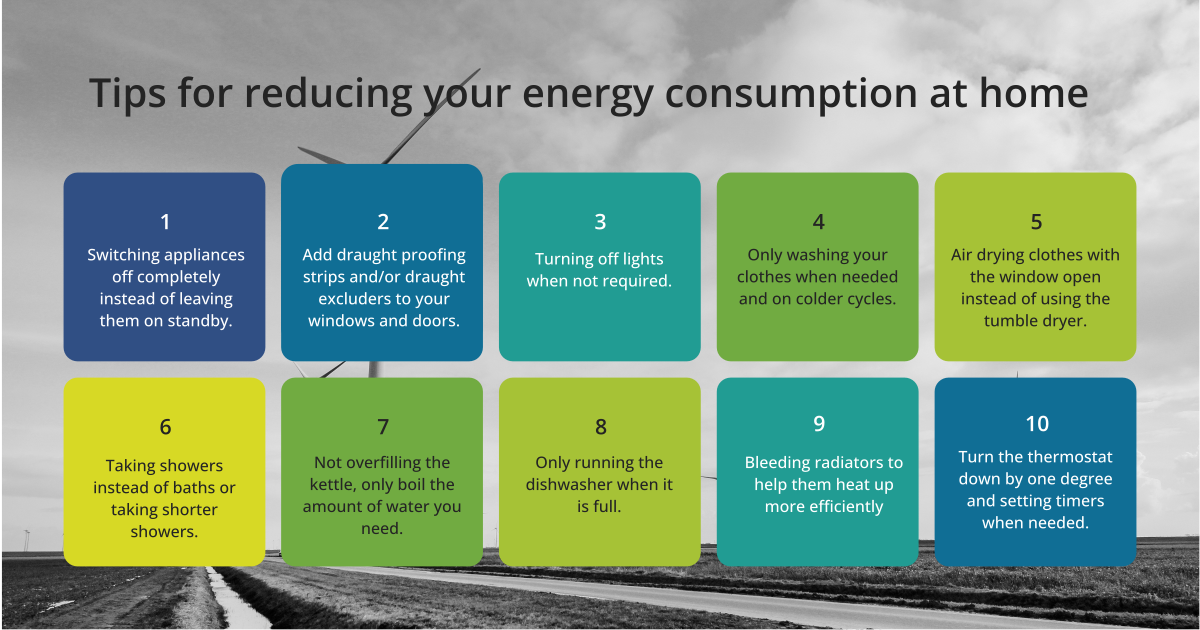
The right energy efficiency improvements for your home will depend on your budget and property type. Some of the most effective measures include:
- Energy efficient lighting – Switching to LED bulbs is one of the easiest and most cost-effective ways to improve your home's energy efficiency. LEDs use significantly less electricity and typically last much longer than traditional bulbs, helping to reduce both energy use and replacement costs over the long term. Read more about the different types of lighting and bulbs here.
- Insulation – Insulating your walls, floor or roof minimises heat loss, meaning less energy is needed to keep your home warm. Learn more about the different types of insulation here.
- Renewable energy – If your budget allows, solar panels could lower your electricity bills by generating renewable energy for your home. Read more about solar panels to see if they’re right for your home.
- Heat pumps – Switching to a heat pump can significantly reduce carbon emissions and energy use by providing an efficient, low-carbon alternative to traditional fossil fuel heating systems. Find out more about heat pumps.
- Double or triple glazed windows – Upgrading from single glazing to modern double or triple glazing can keep your home warmer, reduce draughts and lower your energy bills. If you have single glazed windows, discover your replacement options here.
- Heating controls – Heating controls, such as programmers, room thermostats and thermostatic radiator valves, allow you to manage temperatures in different areas of your home more effectively. This helps to make sure you're only heating the rooms you use, reducing unnecessary energy consumption and potentially improving your EPC rating. Find out about heating controls here.
- Heating upgrade – Older boilers and central heating systems are typically less energy efficient than newer models. If yours is approaching the end of its life, upgrading to a new A-rated system could help reduce energy consumption and lower running costs. As heating and hot water use a large share of household energy, upgrading your system could make a noticeable difference to your bills. Read more about what to consider when replacing your heating system here.
Ready to get started?
We’ve partnered with Eco Approach to help you identify energy-saving improvements for your property and create a personalised action plan. Through their GreenVal tool, you can create a personalised action plan, explore potential cost savings and arrange home energy improvements with Eco Approach and its TrustMark-accredited installers.
Making improvements could not only help reduce your energy bills and potentially increase your home's EPC rating, but may also help you qualify for one of our Green Home Finance plans if your property achieves an EPC rating of A or B.
Find out more about our partnership with Eco Approach Create your home energy action plan now